Brokentooth.io / 02 Projects / SessionMunch
SessionMunch
Shared project memory for coding agents. Keep the history, recover the useful part, and stop explaining the same project from scratch.

I got tired of being the handoff layer between my own agents. SessionMunch keeps useful project history outside any one conversation, then gives connected agents a way to retrieve it when they need it.
It builds on the open-source ai-memory foundation: an inspectable Markdown knowledge wiki, SQLite search, and shared access through MCP and HTTP. Supported hooks and history readers supply evidence; retrieval brings back relevant pieces instead of dumping the entire past into a prompt.
Current stage: the public repository describes v0.1.0 as a release candidate. The articles below describe source checked on 27 October 2026, not a promise that release binaries, every client integration, or every captured history format are ready.
Six pieces follow the human problem into the machinery: why I built this, what can work without AI, how search chooses evidence, where hooks and MCP differ, how neighboring tools compare, and what makes memory trustworthy. Start with the first card, or go straight to the question you're trying to answer.
The SessionMunch series
- Essay 01 · 5 min read
I Got Tired of Being My AI's Memory
Why I started building SessionMunch, and why another clever answer was less useful than remembering the last one.Read essay 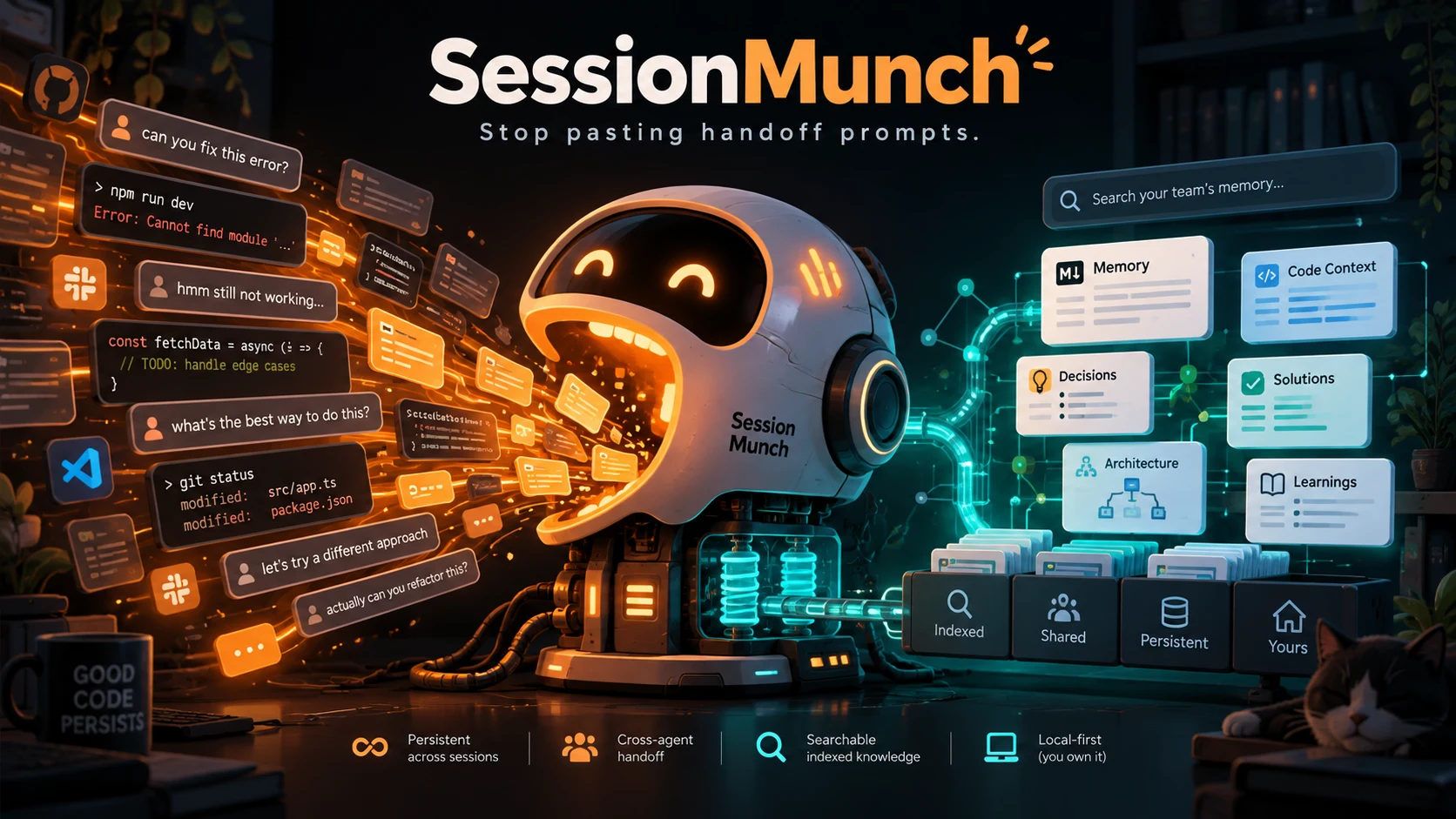 Essay 02 · 4 min read
SessionMunch without an AI summarizer
What survives with the models switched off, and why evidence comes before interpretation.Read essay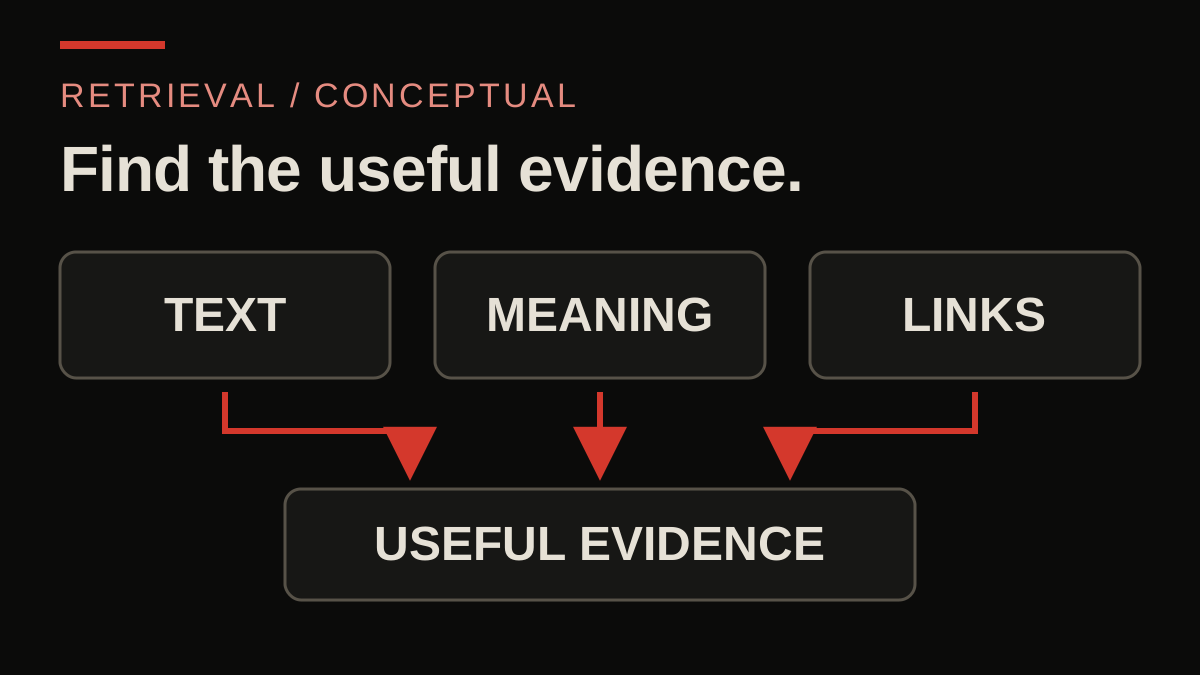 Essay 03 · 4 min read
How SessionMunch finds useful project memory
Exact words, entities, links, and optional vectors each get a vote. The result still needs judgment.Read essay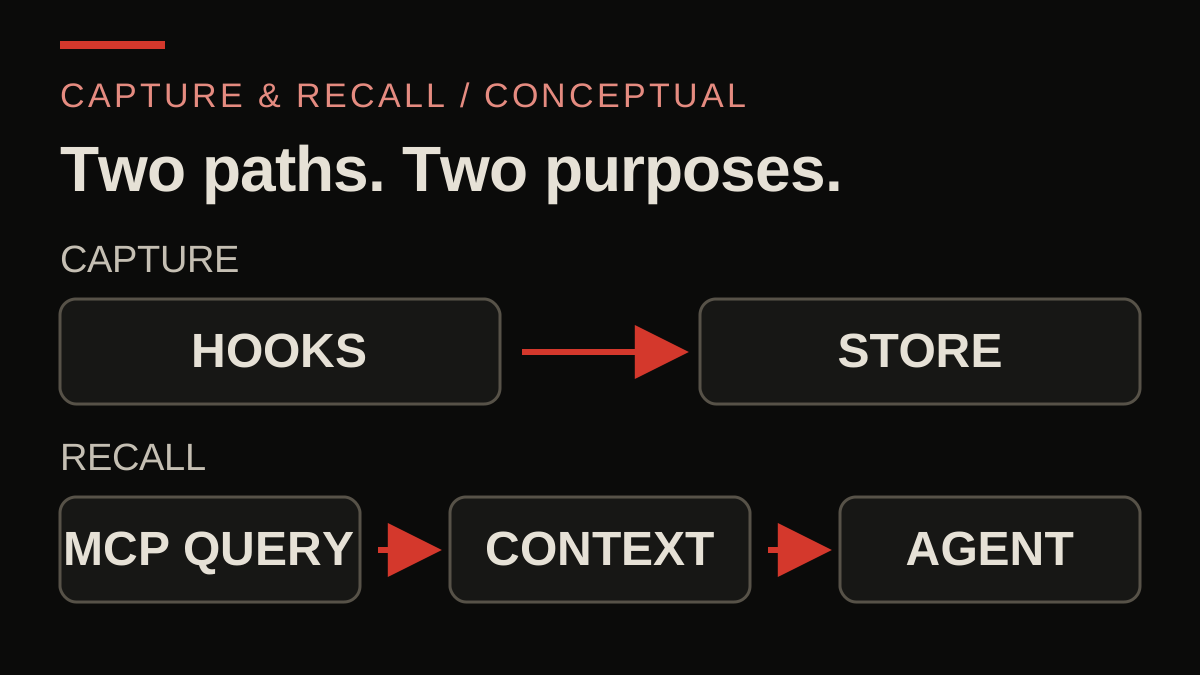 Essay 04 · 4 min read
SessionMunch hooks and MCP do different jobs
How capture, recall, and startup handoffs connect agents to shared memory, with the limits kept visible.Read essay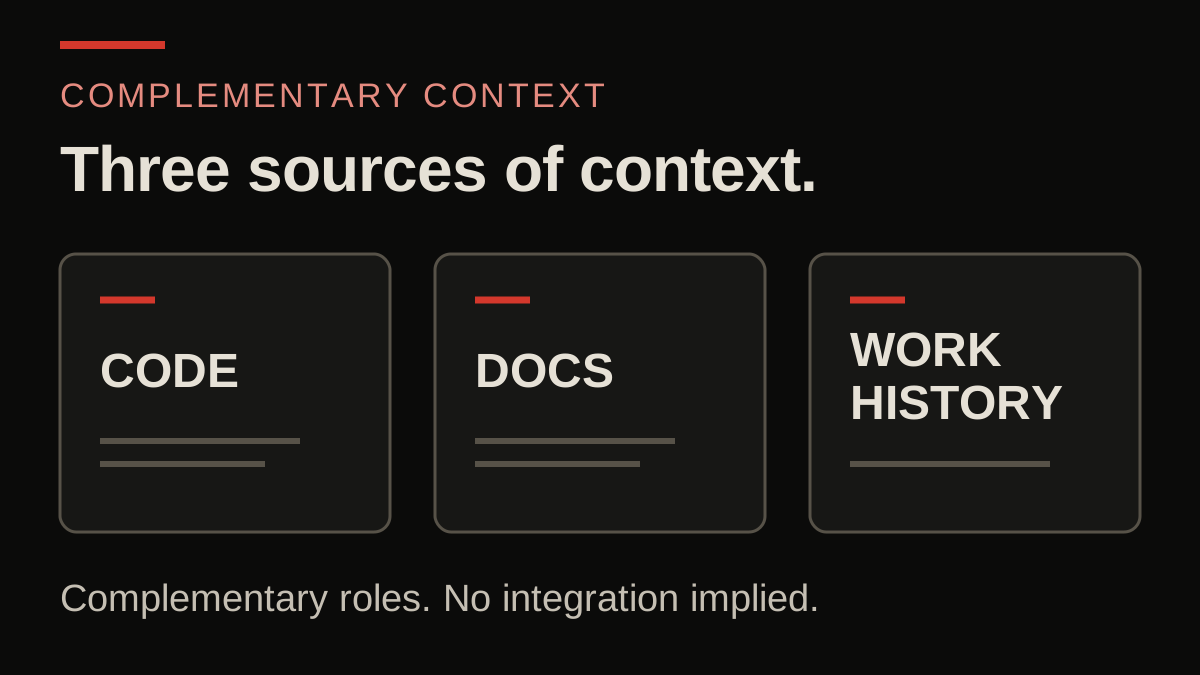 Essay 05 · 4 min read
SessionMunch, jCodeMunch, and the Agent Memory Map
Code search, documentation search, session history, and stateful agents solve different problems. Here is the distinction that shaped my choice.Read essay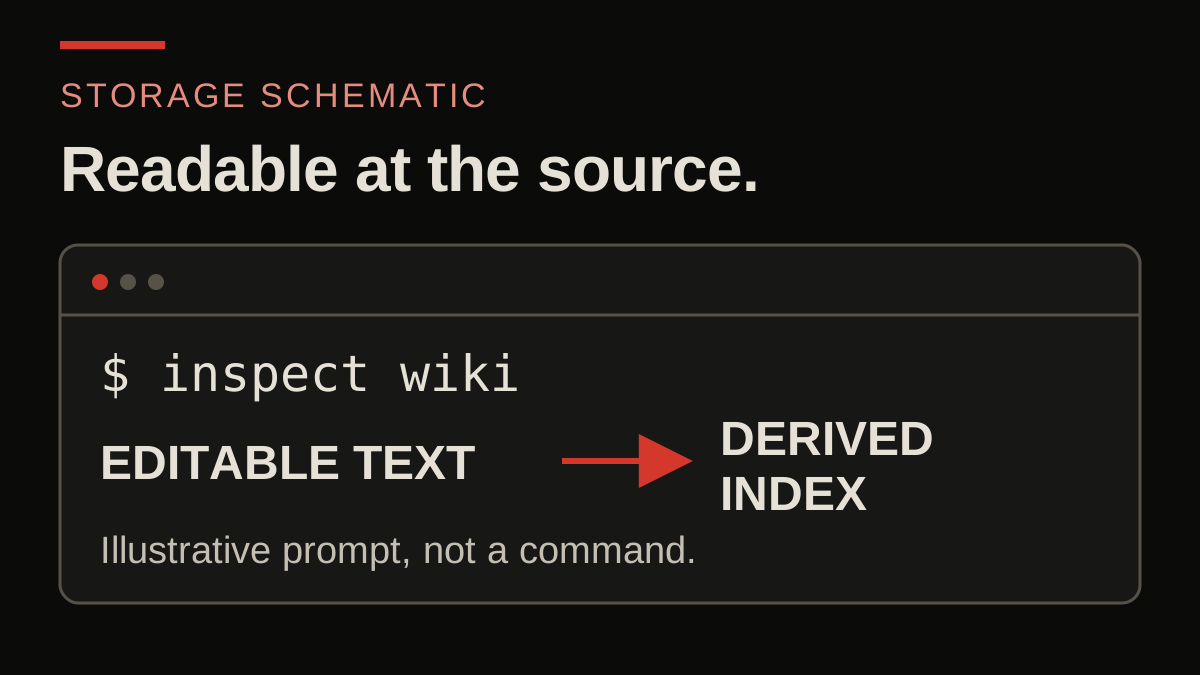 Essay 06 · 4 min read
A Memory System Should Be Able to Show Its Work
Evidence, editable Markdown, and an honest route back to the record are how I want agent memory to earn trust.Read essay
What it does
- Preserves supported captured and imported session evidence with source and session attribution.
- Builds deterministic session cards with references to visible events, and supports separately optional cited AI summaries.
- Searches project knowledge using exact text, entities, links and optional semantic retrieval.
- Shares memory with connected coding harnesses through tools, briefs and supported lifecycle integrations.
- Keeps durable knowledge readable as Markdown, with a derived search index and explicit evidence-storage boundaries.
The point is practical: recover a decision, inspect what was tried, or bring the next agent up to speed. It does not make a model infallible, and connecting an MCP client does not automatically capture that application's private chat history.
Try the retrieval idea
The project, in its own art
Browse the source and installation instructions · Open the support matrix